So you’re sitting there thinking do I need a bassinet stroller, and honestly it’s not even a simple yes-or-no thing, is it? Like, you’ve probably already gone down a rabbit hole of baby gear, tabs open everywhere, and suddenly strollers have… modes? configurations? sleep ergonomics?? It gets weirdly intense fast, and you’re just trying to figure out what your actual baby will need, not what some overly polished checklist says you should buy.
Let’s untangle this a bit, in a way that feels… human, not like a product manual pretending to be helpful.
What even is a bassinet stroller (and why people make it sound essential)
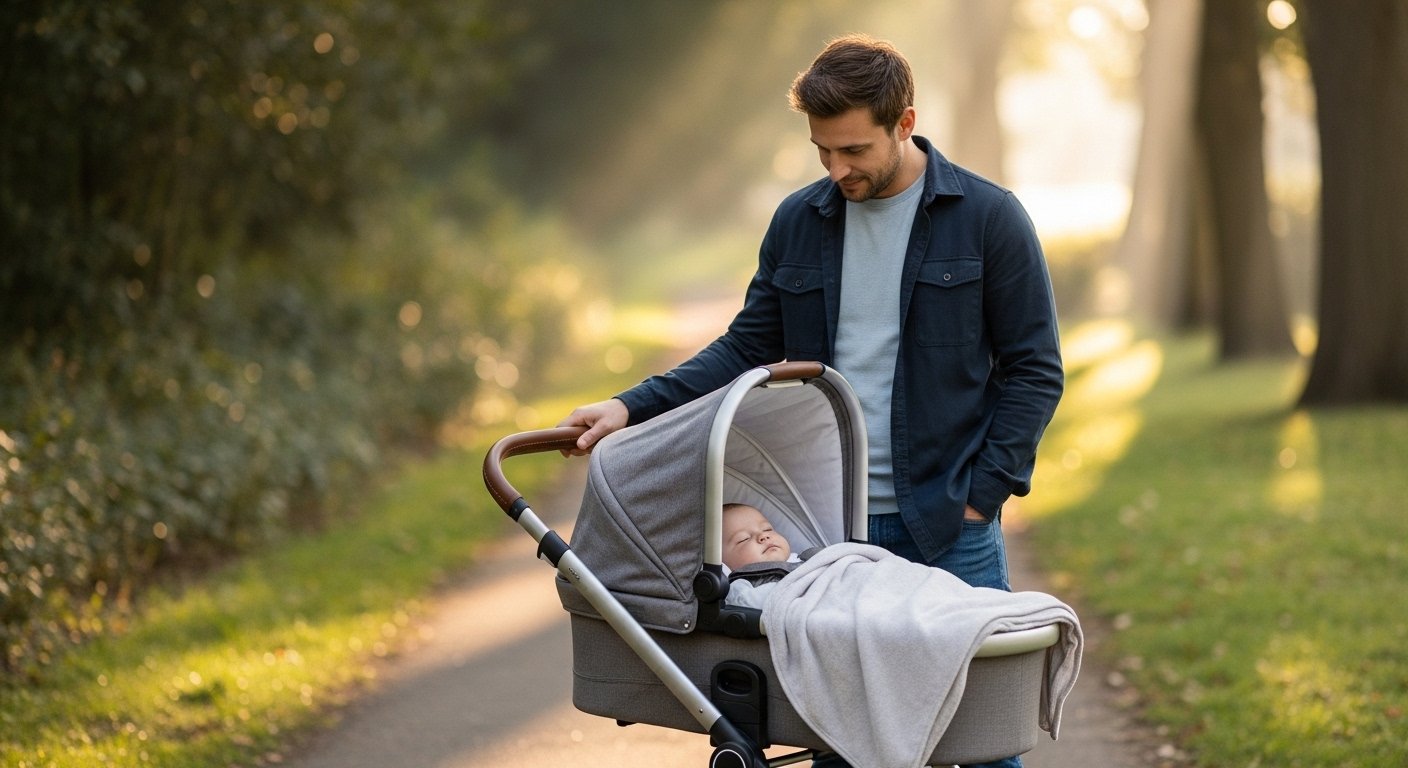
A bassinet stroller is basically a stroller that lets your newborn lie completely flat, like they would in a crib. Instead of being strapped into a semi-upright seat, your baby stretches out, arms doing that random flail thing babies do, legs curled like tiny question marks.
Now here’s where things get slightly fussy but important: newborns aren’t supposed to sit upright for long periods. Pediatric guidelines (like from organizations such as the American Academy of Pediatrics) recommend keeping babies in a flat position early on to support spine development and breathing.
But—and this is where people get confused—not every stroller without a bassinet is suddenly unsafe. That’s where nuance sneaks in quietly.
Why some parents swear by it (and won’t shut up about it)
There’s a certain kind of parent (you might become one, who knows) who will tell you the bassinet attachment changed their entire existence. And honestly, they’re not completely wrong.
Here’s why bassinet strollers get so much love:
1. Newborn-friendly without extra gear
You don’t need to add a car seat or worry about adapters. You just… put the baby in. Flat. Done. No clicking sounds or confusing straps that feel like assembling IKEA furniture under pressure.
2. Better naps on the go
Babies sleep. A lot. Like, statistically speaking, newborns sleep around 14–17 hours a day. And when they fall asleep during a walk, a bassinet lets them stay asleep without awkward neck angles.
Some parents even use the bassinet indoors as a temporary nap space. Not officially a crib, but, you know, life gets flexible.
3. Comfort feels more obvious
There’s something about seeing your baby fully stretched out that just feels… right. Less compressed, less folded into a seat like a tiny commuter.
4. Good for longer outings
If you’re planning to be out for hours—parks, shopping, just wandering aimlessly because the baby finally stopped crying—a bassinet setup can feel less stressful.
Why others skip it completely (and don’t regret it)
Now here’s the other side, which rarely gets as much dramatic attention but is just as valid.
Some parents look at bassinet strollers and go, “nah, not worth it,” and they’re doing fine.
Reasons people skip:
- Short usage window
Bassinets are usually only used for about 4–6 months. After that, your baby wants to sit up and judge the world. - Extra cost
Many strollers don’t include the bassinet—you buy it separately. That can easily add $100–$300, depending on the brand. - Bulkiness
Bassinets can be big. Like, surprisingly big. If your living space is tight or your car trunk already struggles, this matters more than people admit. - Car seat compatibility exists
Travel systems let you click in a car seat instead, which many parents find easier for quick trips.
And honestly, if you’re mostly doing short walks or errands, the difference might not feel massive in real life.
Bassinet stroller vs. car seat stroller (the quiet debate)
This is where things get a bit… quietly controversial among parents.
Quick comparison
| Feature | Bassinet Stroller | Car Seat Stroller |
|---|---|---|
| Baby position | Fully flat | Semi-reclined |
| Best for | Long walks, naps | Quick trips, errands |
| Setup | Simple | Requires clicking seat in |
| Longevity | 4–6 months | Depends on car seat usage |
| Portability | Less compact | More convenient |
Some pediatric guidance suggests limiting time in car seats outside of cars, especially for very young babies, due to posture and breathing considerations. That doesn’t mean you can’t use them—it just means balance is key.
So yeah, it’s not about “right vs wrong,” more like “what kind of parent-life chaos are you expecting.”
Real-life scenarios (this is where clarity kinda appears)
Let’s not stay theoretical. Imagine your actual life for a second.
Scenario 1: You walk a lot
If you live somewhere walkable or plan daily stroller walks, a bassinet stroller starts making more sense. Your baby can nap properly, you don’t have to rush home, and everything feels a bit smoother.
Scenario 2: You drive everywhere
If your routine is mostly car → store → home, a car seat system is just easier. Taking a sleeping baby out of a bassinet and into a car seat? Not fun. Not at all.
Scenario 3: You’re trying to keep things minimal
Then yeah, the bassinet might feel like an unnecessary extra. Babies already come with enough… accessories, let’s say.
Scenario 4: You’re anxious about newborn comfort
Then you might actually like the bassinet more than you expect. There’s a psychological comfort in knowing your baby is lying flat and supported.
What stroller brands actually do (because it varies a lot)
Some brands build bassinets into their system, others treat it like an optional luxury add-on.
For example, companies like UPPAbaby or Bugaboo often include or strongly promote bassinet attachments as part of their design philosophy.
Meanwhile, more budget-friendly brands might skip bassinets entirely or offer deeply reclining seats as an alternative.
So sometimes the question isn’t just “do I need a bassinet stroller,” it’s also “does the stroller I like even make this easy?”
Safety and development stuff (without making it scary)
Okay, quick grounding moment.
Flat positioning is generally better for newborn spine alignment and breathing. That’s widely agreed upon in pediatric circles.
But—and this matters—modern car seats are also designed with safety standards in mind. Millions of babies use them daily without issues.
The key thing most experts agree on is:
- Avoid keeping newborns in semi-upright positions for long continuous periods
- Give them breaks to lie flat when possible
- Pay attention to your baby’s comfort and positioning
So a bassinet stroller isn’t about avoiding danger, it’s more about optimizing comfort and posture.
A slightly honest pros and cons list (not trying to sell you anything)
Pros
- Ideal for newborn stage
- Better for naps during walks
- Feels more natural for baby’s body
- Can double as a temporary sleep space
Cons
- Limited usage period
- Adds cost
- Bulky to store and transport
- Not always necessary depending on lifestyle
Questions you should actually ask yourself (not the internet)
Instead of googling endlessly, try answering these:
- How often will I realistically go on long walks?
- Do I mind spending extra for short-term comfort?
- Is my space big enough for extra gear?
- Will I be mostly walking or driving?
- Am I the kind of person who values convenience or minimalism more?
Your answers matter way more than any blog (including this one, yeah).
So… do you need a bassinet stroller?
Here’s the slightly annoying but honest answer:
You probably don’t need one, but you might really like having one.
If your lifestyle leans toward walking, longer outings, or you just want that extra newborn-friendly setup, a bassinet stroller makes a lot of sense.
If your life is more car-based, fast-paced, or you’re trying to keep things simple, skipping it won’t ruin anything. Your baby will still be fine, still grow, still somehow generate laundry at alarming rates.
Final thought that might stick with you
People tend to treat baby gear like it’s permanent, like you’re making some huge irreversible decision. But most of this stuff—bassinet strollers included—is just a short chapter.
Four months from now, your baby will be bigger, louder, more opinionated, and suddenly the bassinet won’t even matter anymore.
So maybe the better question isn’t do I need a bassinet stroller, but:
“Will this make my next few months a bit easier or calmer?”
If yes, go for it. If not, skip it without guilt. You’re not missing some secret parenting level-up.
And honestly, half the time, babies don’t care nearly as much as we think they do.